
5th International Andrology Symposium
5th International Andrology Symposium
Explore the proceedings and abstracts presented at the meeting, bringing together perspectives from clinicians, surgeons, endocrinologists, and molecular scientists working to improve the care of boys with cryptorchidism.
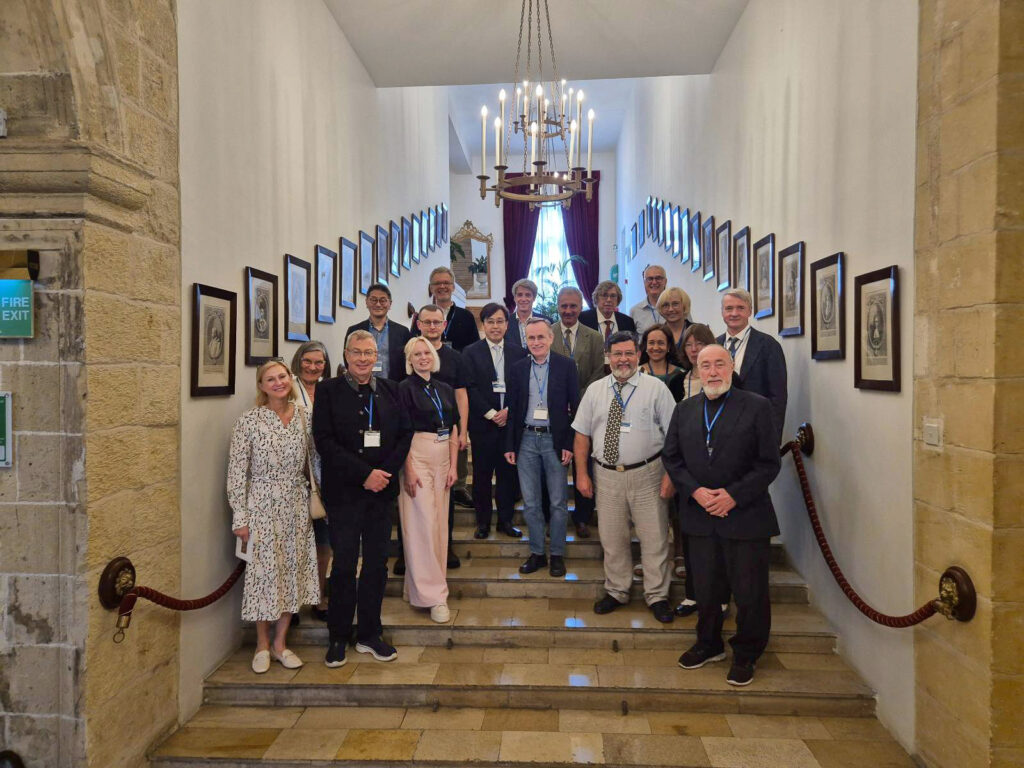
Bringing together experts from molecular biology, pediatric endocrinology, pediatric surgery, and andrology, the 2025 symposium offered a comprehensive view of current advances in diagnosis, mechanisms, and treatment. Discussions repeatedly emphasized that cryptorchidism must be understood as more than a simple failure of testicular descent. Instead, it represents a condition shaped by endocrine programming, germ-cell biology, molecular architecture, and increasingly recognized, neurocognitive factors.
One particularly striking theme emerging from both the in-person and virtual sessions was the importance of hormonal treatment not only for testicular maturation but also for potential improvements in memory and cognition in cryptorchid boys. These observations broaden the conceptual framework of cryptorchidism beyond an anatomic disorder and reinforce the view that early disturbances of the hypothalamic–pituitary–gonadal axis carry systemic developmental implications.
The central focus of the symposium was the integration of molecular biology with pediatric endocrine practice. Several talks delineated how PIWIL and TUDOR gene families, essential for germline genome protection and piRNA biology, may play decisive roles in shaping fertility potential in boys with undescended testes. These discussions highlighted how translational genetics is reshaping our understanding of the germ-cell consequences of cryptorchidism.
Equally compelling were the contributions examining epigenetic mechanisms and the role of estrogenic signaling in the origin of cryptorchidism. Presentations highlighted how endocrine and epigenetic perturbations during fetal life and mini-puberty can disrupt the transformation of gonocytes and interfere with Sertoli- and Leydig-cell maturation. These findings underscore a broader principle that hormonal and epigenetic disruptions underlie the etiology of many apparently mechanical cases of undescended testes.
Another notable topic was the emerging evidence regarding the cystic fibrosis factor and its involvement in fertility development. The symposium examined how this factor responds negatively to a hypogonadotropic state in cryptorchid boys at high risk for infertility, adding a new dimension to the classification of biological vulnerability and demonstrating the expanding reach of molecular diagnostics.
These molecular, endocrine, and epigenetic insights converged on a significant clinical conclusion: the aberrations identified cannot be corrected by early surgery alone. While timely orchiopexy remains essential for anatomic repositioning and long-term surveillance, it does not address upstream defects arising from mini-puberty disturbances, hormonal insufficiency, or molecular instability. Consequently, the meeting’s interdisciplinary consensus was that hormonal therapy—particularly GnRH agonists or hCG—should be strongly considered as part of treatment guidance, especially for boys exhibiting biological markers of high infertility risk. Incorporating endocrine induction into management pathways was viewed not as experimental, but as a logical evolution of mechanism-based care.
The preparation of these proceedings benefited from OpenAI’s Deep Research tool, used exclusively for copy-editing, proofreading, and improving linguistic clarity and organization. Its application did not generate new scientific or conceptual content; every scientific idea herein remains the original work of the contributing authors. Each manuscript included in this volume has been carefully reviewed for factual accuracy and approved by its author(s) and by the editorial team.
We hope that this collection reflects the depth, rigor, and collaborative spirit of the 2025 meeting. As cryptorchidism continues to be redefined through advances in molecular biology, endocrinology, and developmental science, it is our conviction that meetings such as this—and the shared knowledge they generate—will play a critical role in shaping the next generation of evidence-based, mechanistically informed care for affected boys worldwide.
The conference proceedings are organized by thematic sessions, showcasing the latest research, clinical insights, and treatment advances in cryptorchidism. Browse each category below to explore presentations from internationally recognized researchers and clinicians.
Vincent Prevot
Rodolfo Ray
Antoine Peters
Birgit Stallmeyer
Kentaro Mizuno
Jorma Toppari
Shosei Yoshida
Christian De Geyter
Gilvydas Verkauskas
Darius Dasevičius
Dina Cortes
Jörgen Thorup
Domingos T. G. Bica
Dimitrios T. Papadimitriou
Faruk Hadziselimovic
Luciano Alves Favorito
Dragana Živković
Faruk Hadziselimovic
Zacharias Zachariou
Guy Bogaert
Beata Vincel (Vilnius)
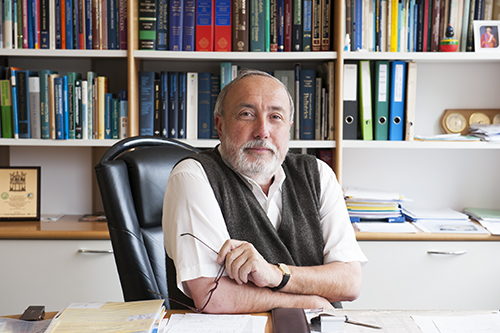
Cryptorchidism research institute, Liestal, Switzerland
Correspondence: Dr med em. Faruk Hadziselimovic Bahnhofplatz 11,4410 Liestal Switzerland
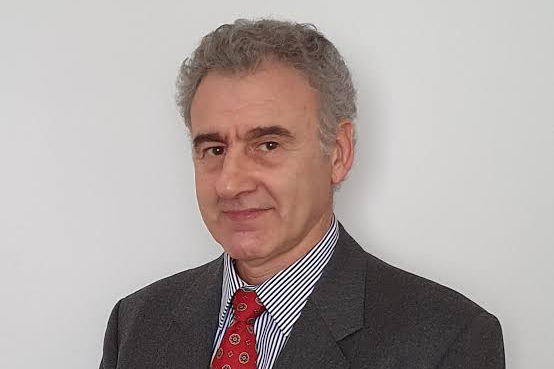
Centro de Investigaciones Endocrinológicas “Dr. César Bergadá” (CEDIE), CONICET – FEI – División de Endocrinología, Hospital de Niños Ricardo Gutiérrez, Buenos Aires, Argentina.
Correspondence: Prof.Dr. MD, PhD Rodolfo Rey Centro de Investigaciones Endocrinológicas “Dr. César Bergadá” (CEDIE), Argentina

Research Centre for Integrative Physiology and Pharmacology, and Centre for Population Health Research, and In Flames Research Flagship Center, Institute of Biomedicine, University of Turku, Turku, Finland, and Department of Pediatrics, Turku University Hospital, Turku, Finland
Correspondence; Prof Dr med, PhD Jorma Toppari Kiinamyllynkatu 10 20520 Turku Finland
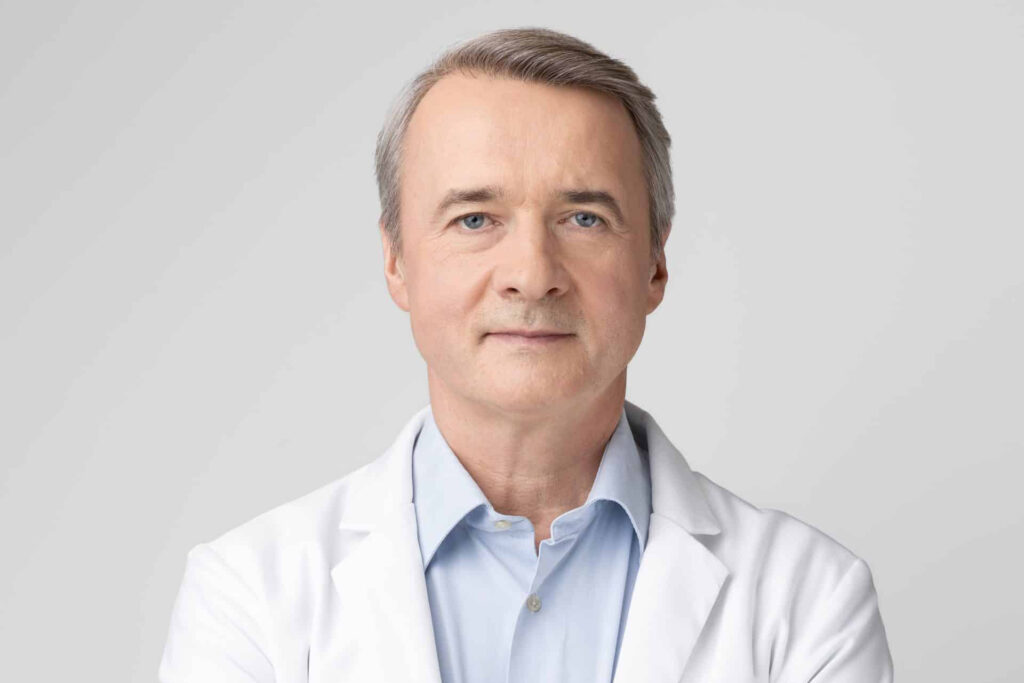
Institute of Clinical Medicine,Faculty of Medicine,Vilnius University, Vilnius,Lithuania
Corespondence; Prof. Dr med. Verkauskas, Head of the Centre of Children’s Surgery, Orthopaedics and Traumatology, Vilnius University Hospital Santaros Klinikos, Vilnius,
Lithuania
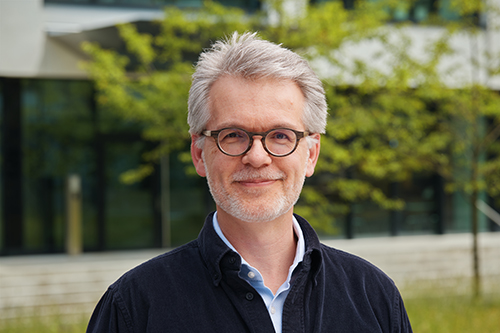
Friedrich MiescherInstitute for Biomedical Research, 4056 Basel,Switzerland; Faculty of Sciences, University of Basel, 4056 Basel, Switzerland
Correspondence; Adjunct Professor of Epigenetics, University of Basel, Basel Switzerland
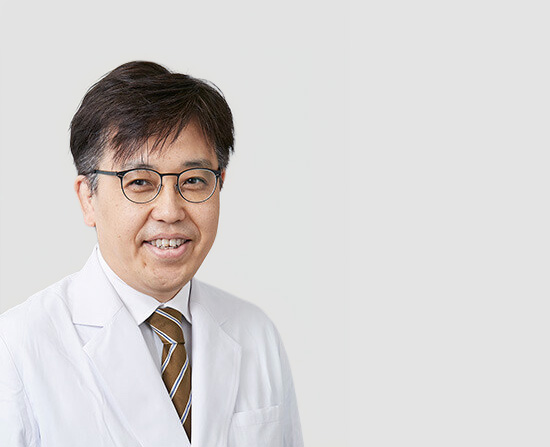
Department of Pediatric Urology, Nagoya City University GraduateSchool of Medical Sciences, Nagoya, Japan
Correspondence: Kentaro Mizuno, Nagoya City University Nagoya, Japan
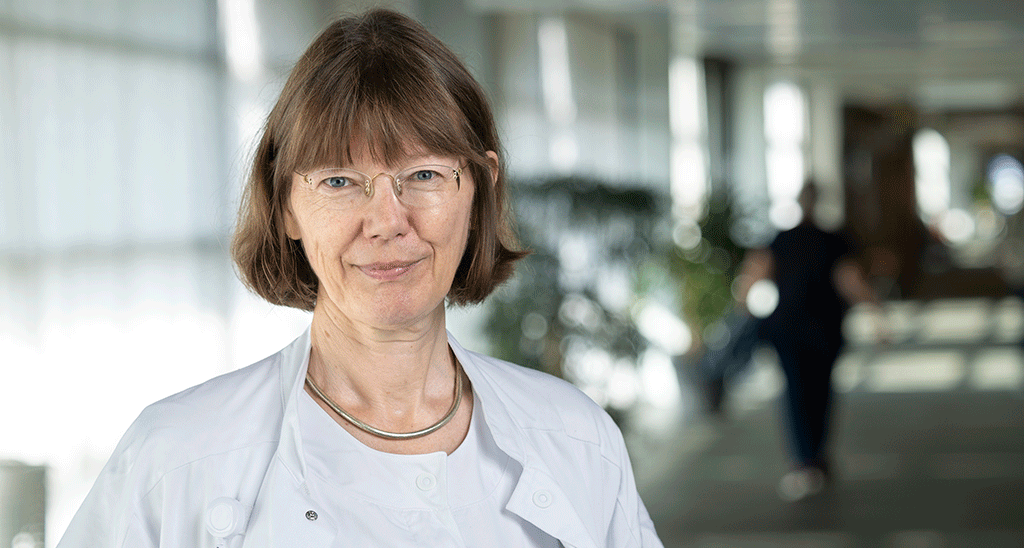
Department of Paediatrics and Adolescent Medicine, Copenhagen University Hospital Hvidovre; Department of ClinicalMedicine, University of Copenhagen; in collaboration with theDepartment of Paediatric Surgery, Copenhagen University Hospital Rigshospitalet, Denmark.
Correspondence: Professor, overlæge, r. med. Dina Cortes Clinical Professor, Department of Clinical Medicine

UZ Leuven KULeuven Dept of Urology, Herestraat, 49, B – 3000, Leuven, Belgium
Correpondence; Prof Dr med. PhD em. Guy Bogaert Herestraat, 49, B – 3000, Leuven, Belgium

Lorem ipsum dolor sit amet, consectetur adipiscing elit. Ut elit tellus, luctus nec ullamcorper mattis, pulvinar dapibus leo.